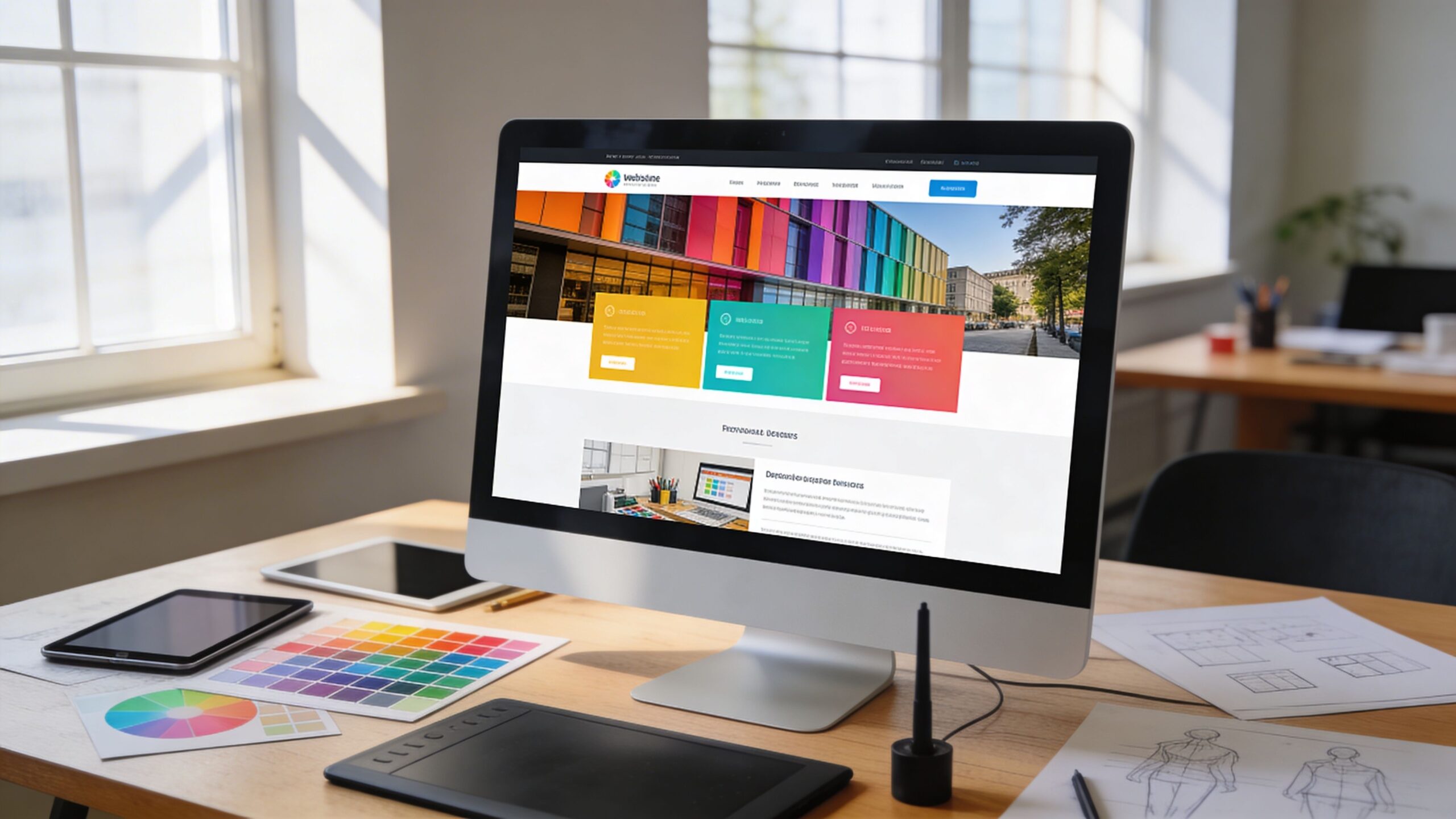
Color is one of the most underestimated forces in digital design, yet it plays a defining role in how users perceive, trust, and ultimately act on a website. Within seconds of landing on a page, visitors form impressions that influence whether they stay, explore, or leave. These impressions are not driven solely by layout or content, but by the emotional signals that color quietly communicates. A well-crafted color palette can guide attention, reinforce brand identity, and subtly encourage action, turning passive browsers into engaged customers. In today’s competitive online landscape, where attention spans are short and options are endless, color becomes a strategic tool rather than a decorative afterthought. The difference between a website that converts and one that struggles often lies in how effectively color is used to create clarity, trust, and momentum. Understanding the psychology behind color and how to apply it with intention is the foundation of building a site that not only looks appealing but performs at a high level.
A: Usually the best button color is the one with the strongest contrast against the surrounding design.
A: No; bright colors work best as accents, while calmer base tones keep the page readable and focused.
A: Most sites work well with three to five core colors plus neutrals for balance and spacing.
A: Sometimes, but only when the brand, audience, and contrast levels support readability and trust.
A: Yes, many modern themes and builders include global color controls for site-wide consistency.
A: Blues, greens, deep neutrals, and clean whites are commonly used to communicate credibility and calm.
A: They can, but buttons often need stronger emphasis so users can instantly recognize action points.
A: Not directly, but better color clarity can improve engagement, usability, and overall on-page experience.
A: Use it as an accent and pair it with accessible neutrals and darker text for better performance.
A: Yes; A/B testing different CTA and section colors can reveal which combinations support more clicks and conversions.
Color Psychology and the Science of Decision-Making
At its core, color psychology is about how hues influence human emotion and behavior. While individual preferences vary, certain color associations are widely recognized and consistently shape user responses. Blue, for instance, is often linked with trust, stability, and professionalism, which is why it is commonly used in financial, tech, and healthcare websites. Red, on the other hand, evokes urgency, energy, and excitement, making it effective for calls-to-action and limited-time offers.
However, the real power of color lies not in isolated choices, but in how colors interact within a palette. A harmonious combination of tones can create a seamless visual experience that reduces cognitive load and helps users navigate effortlessly. When visitors feel comfortable and confident, they are far more likely to engage with content and complete desired actions, whether that is signing up, making a purchase, or exploring further.
The science behind this is rooted in how the brain processes visual information. Color influences attention, memory, and perception, often operating below conscious awareness. Strategic use of contrast can highlight key elements, while consistent color patterns build familiarity and trust. By aligning color choices with the emotional journey you want users to experience, you can create a powerful pathway from first impression to conversion.
Blue and Trust-Driven Palettes That Build Confidence
One of the most reliable approaches for conversion-focused design is the use of blue-centered palettes. Blue communicates reliability and calmness, making it particularly effective for businesses that need to establish credibility quickly. When paired with neutral tones like white, gray, or soft beige, blue creates a clean and professional aesthetic that feels both approachable and authoritative.
These palettes work exceptionally well for service-based websites, SaaS platforms, and financial tools where trust is the primary barrier to conversion. A deep navy background combined with lighter blue accents can create a sense of depth and sophistication, while brighter shades can introduce energy without sacrificing clarity. The key is balance. Too much saturation can feel overwhelming, while overly muted tones may lack impact.
What makes blue palettes especially powerful is their versatility. They can be adapted to feel modern, corporate, or even creative depending on the supporting colors and typography. When used strategically, blue not only reassures users but also provides a stable foundation for highlighting important actions, such as sign-up buttons or key messaging areas.
Warm and Energetic Palettes That Drive Action
While trust is essential, conversion often requires a sense of urgency or excitement, which is where warm color palettes come into play. Reds, oranges, and yellows are naturally attention-grabbing and can stimulate action when used thoughtfully. These colors are particularly effective for e-commerce websites, promotional campaigns, and landing pages where immediate engagement is the goal.
A palette built around warm tones can create a dynamic and inviting atmosphere, but it must be handled with precision. Overuse of intense colors can lead to visual fatigue, causing users to disengage. Instead, the most effective designs use warm colors as accents rather than dominant elements. A vibrant orange call-to-action button against a neutral or cool background can stand out clearly without overwhelming the overall design.
Warm palettes also tap into emotional triggers such as excitement, optimism, and urgency. When users feel energized, they are more likely to take quick action. This is why flash sales, limited-time offers, and high-impact campaigns often rely on these color schemes. By combining warmth with strategic restraint, you can create a sense of movement that encourages users to act without feeling pressured.
Minimalist Neutral Palettes That Let Content Shine
In an era where simplicity often wins, minimalist neutral palettes have become a powerful tool for conversion. These palettes rely on shades of white, gray, black, and subtle earth tones to create a clean and distraction-free environment. The focus shifts away from visual noise and toward the content itself, allowing messaging, imagery, and functionality to take center stage. Neutral palettes are particularly effective for brands that prioritize elegance, clarity, and sophistication. Luxury brands, portfolio websites, and modern startups often use this approach to create a refined user experience. The absence of excessive color can make a website feel more premium and intentional, which can positively influence how users perceive the value of a product or service. The true strength of neutral palettes lies in their ability to support contrast. When the overall design is understated, even small bursts of color become highly impactful. A single accent color used consistently for buttons or links can guide users effortlessly through the site. This controlled use of color ensures that attention is directed exactly where it needs to be, increasing the likelihood of conversion.
High-Contrast Palettes That Capture Attention Instantly
In a digital environment filled with distractions, capturing attention quickly is critical. High-contrast color palettes are designed to do exactly that by pairing colors that stand out sharply against each other. Black and white combinations, bold color pairings, and strong light-dark contrasts can create a striking visual impact that immediately draws the eye.
These palettes are particularly effective for landing pages, product launches, and brands that want to make a bold statement. High contrast not only enhances visual appeal but also improves readability and accessibility. When text and background colors are clearly differentiated, users can process information more quickly and comfortably, which reduces friction and keeps them engaged.
However, high-contrast designs require careful execution. Too many competing elements can create chaos rather than clarity. The most successful implementations use contrast strategically to highlight key areas such as headlines, calls-to-action, and navigation elements. By guiding the user’s attention in a deliberate way, high-contrast palettes can create a sense of urgency and focus that drives conversions.
Nature-Inspired Palettes That Feel Authentic and Grounded
As consumers increasingly value authenticity and sustainability, nature-inspired color palettes have gained significant traction. These palettes draw from earthy tones such as greens, browns, and muted blues to create a sense of calm, balance, and connection. They are particularly effective for brands that emphasize wellness, eco-friendliness, or a holistic approach to their offerings. Green, in particular, is associated with growth, health, and renewal, making it a powerful choice for industries related to fitness, nutrition, and environmental initiatives. When combined with soft neutrals and organic textures, these palettes can create a soothing and trustworthy atmosphere that encourages users to explore and engage at their own pace.
Nature-inspired palettes also benefit from their versatility. They can be adapted to feel modern or rustic depending on the specific shades and design elements used. By evoking a sense of familiarity and comfort, these palettes can reduce resistance and build a deeper emotional connection with users, which is a key factor in long-term customer relationships.
Strategic Accent Colors That Guide User Behavior
Beyond the primary palette, accent colors play a crucial role in directing user behavior. These are the colors used sparingly but intentionally to highlight important actions, such as buttons, links, and key messages. The effectiveness of an accent color lies in its ability to stand out while still feeling cohesive with the overall design.
Choosing the right accent color involves understanding both contrast and context. A color that contrasts sharply with the background will naturally draw attention, but it must also align with the brand’s identity and emotional tone. For example, a bright green button may signal success and positivity, while a bold red button may create a sense of urgency.
Consistency is equally important. Using the same accent color for all primary actions helps users quickly learn what to look for, reducing confusion and improving navigation. Over time, this consistency builds a visual language that enhances usability and trust. When users can intuitively identify where to click or what to do next, the path to conversion becomes much smoother.
Crafting a Cohesive Palette That Converts Consistently
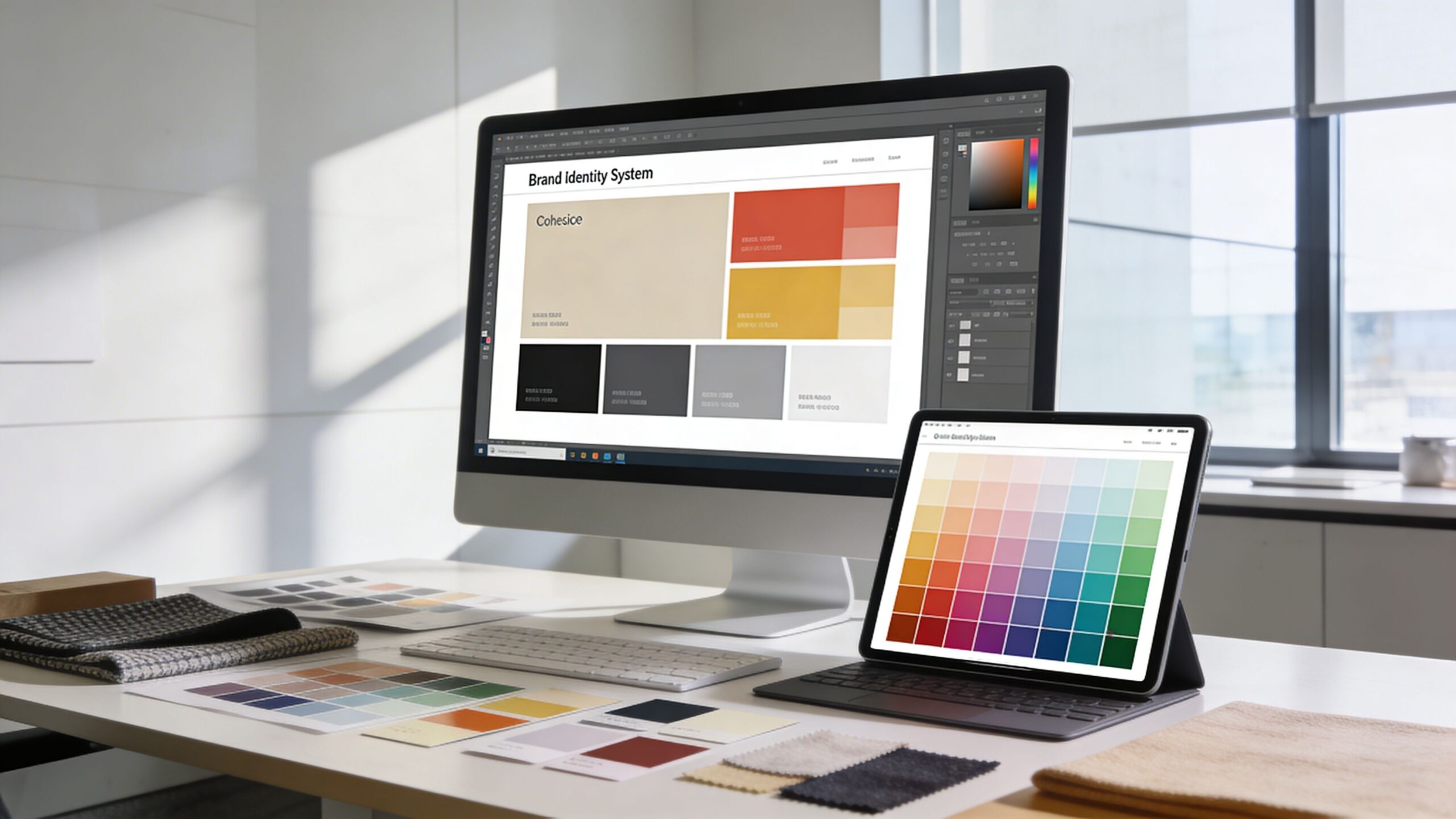
Creating a high-converting color palette is not about choosing trendy colors or following rigid rules. It is about understanding your audience, your brand, and the journey you want users to take. A cohesive palette brings together all elements of design into a unified experience that feels intentional and effortless. The process begins with defining the emotional tone you want to convey. Are you aiming for trust and professionalism, excitement and energy, or calm and simplicity? From there, you can select a primary color that reflects this tone, supported by secondary and accent colors that enhance functionality and clarity. Testing and iteration are essential, as even small adjustments can have a significant impact on user behavior. Ultimately, the best color palettes are those that balance aesthetics with strategy. They do not just look good; they work. By combining psychological insight, thoughtful design, and a clear understanding of user needs, you can create a website that not only आकर्षates visitors but converts them into loyal customers.