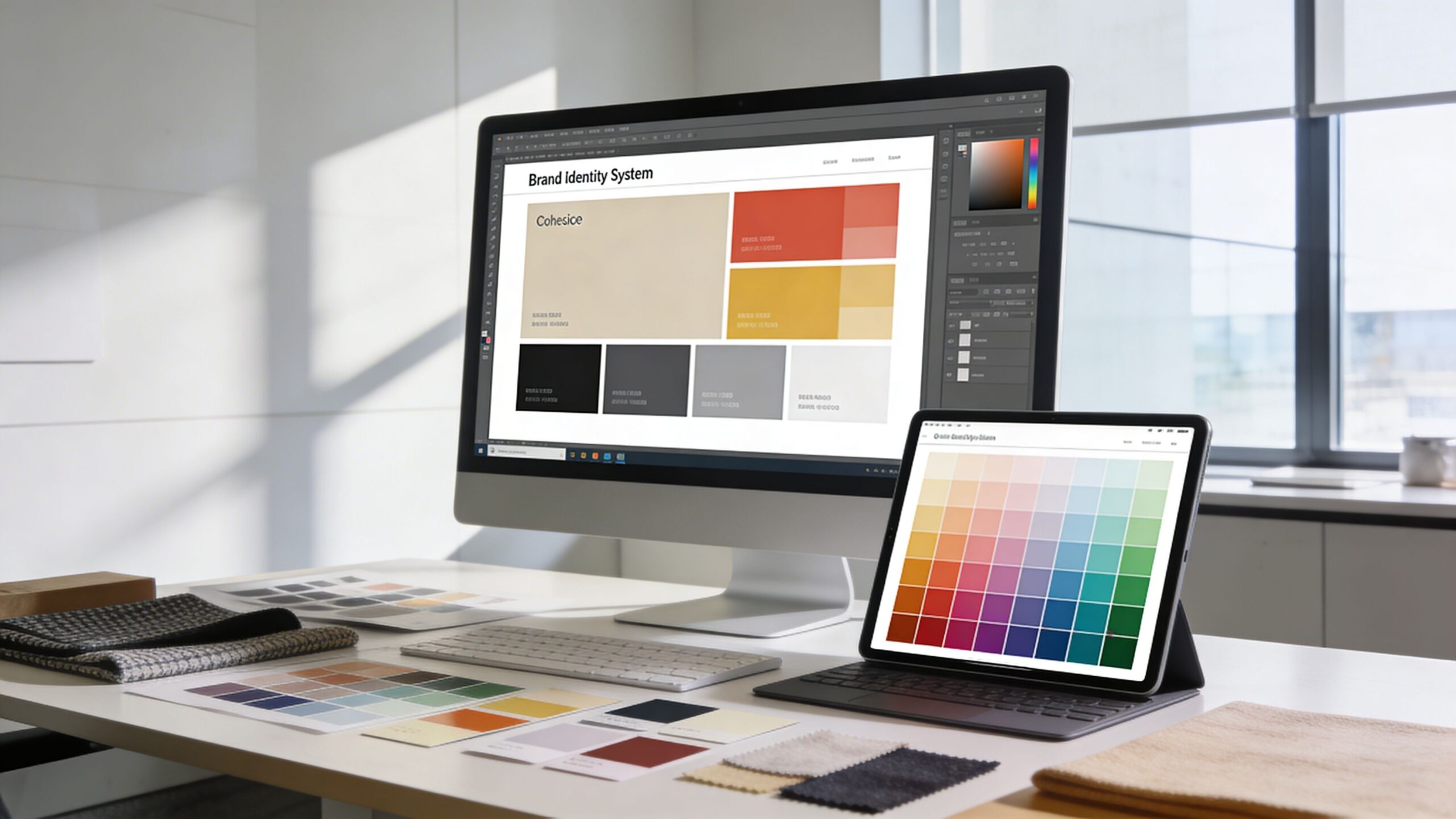

Color is one of the most powerful yet overlooked elements in digital branding. Before a visitor reads a headline or evaluates an offer, they are already forming opinions based on what they see. Color communicates instantly, shaping perception in ways that words often cannot. It signals professionalism, reliability, and intent within seconds. In a digital environment where trust must be earned quickly, the right color choices can determine whether a user stays, explores, and converts—or leaves without a second thought. Trust and authority are not built through design alone, but color plays a foundational role in supporting them. A well-chosen palette can make a brand feel established, credible, and consistent. On the other hand, poorly selected or inconsistent colors can create doubt, confusion, or even skepticism. The goal is not simply to choose colors that look appealing, but to select colors that reinforce your brand’s message and align with the expectations of your audience.
A: Blues, greens, deep neutrals, and clean light backgrounds are commonly used to communicate trust and stability.
A: Not always; darker colors can help, but clarity, restraint, and contrast matter just as much.
A: Yes, but they usually work best as controlled accents rather than dominant background colors.
A: Sometimes, but many brands use a contrasting accent so calls to action stand out more clearly.
A: Most do well with one primary color, one or two support colors, and a set of reliable neutrals.
A: Color matters, but trust is strongest when color, layout, spacing, and typography all support the same message.
A: Yes, many themes and builders let you set global colors for site-wide consistency.
A: You can add deeper neutrals, soften bright tones, and reduce unnecessary accents to create more authority.
A: Yes, because space helps colors breathe and makes the whole brand feel more controlled and professional.
A: No, the best palette depends on your audience, brand promise, and the kind of authority you want to project.
The Psychology Behind Colors That Inspire Confidence
Color psychology is the foundation of understanding how different hues influence perception. While individual preferences vary, certain emotional responses to color are widely shared. These associations can be used strategically to build trust and authority when applied thoughtfully. Blue is often associated with stability, intelligence, and dependability, making it one of the most commonly used colors in industries where trust is essential. Financial institutions, technology companies, and healthcare providers frequently rely on blue to communicate reliability and calm assurance.
Neutral tones such as gray, white, and black also play a critical role in establishing authority. These colors create a sense of balance and professionalism, often serving as the backbone of a brand’s palette. When combined with a strong primary color, neutrals help create a clean and structured visual environment that feels organized and credible. This clarity reduces cognitive friction, allowing users to focus on content and decision-making rather than being distracted by visual noise.
However, the true power of color psychology lies in combination rather than isolation. A single color rarely defines the full emotional tone of a brand. Instead, it is the interaction between colors that creates a cohesive experience. A deep blue paired with crisp white can feel modern and trustworthy, while the same blue combined with gold accents may convey prestige and authority. Understanding these relationships allows brands to craft palettes that communicate multiple layers of meaning simultaneously.
Blue, Green, and Neutral Tones as Trust Anchors
Certain color families consistently perform well when the goal is to build trust. Blue remains one of the strongest anchors because of its universal association with reliability and calmness. It creates a sense of safety that encourages users to engage more deeply with a brand. This is particularly important for businesses that require users to share personal information, make financial decisions, or commit to long-term services.
Green is another powerful color in trust-driven branding, especially in industries related to health, wellness, sustainability, and growth. It evokes a sense of balance and renewal, making it ideal for brands that want to appear supportive and forward-thinking. When used in softer or more muted tones, green can create a calming effect that encourages users to feel at ease.
Neutral colors provide the structure that holds a palette together. White space enhances clarity and readability, while gray tones add sophistication without overwhelming the design. Black, when used sparingly, can introduce a sense of strength and authority. Together, these colors create a stable foundation that allows primary and accent colors to stand out effectively.
The most successful palettes often combine these trust-building colors in a way that feels natural and balanced. Instead of relying on one dominant hue, they use a layered approach that blends primary, secondary, and neutral tones into a cohesive system. This creates a visual environment that feels both dynamic and dependable, which is essential for building long-term credibility.
Luxury and Authority Through Deep, Refined Color Palettes
Authority is not only about trust but also about perceived expertise and value. Certain color palettes are particularly effective at conveying a sense of sophistication and high status. Deep, rich tones such as navy, charcoal, burgundy, and forest green can create an immediate impression of professionalism and depth. These colors feel grounded and intentional, which helps position a brand as experienced and reliable.
When paired with subtle metallic accents like gold or bronze tones, these palettes can elevate a brand’s perceived value even further. The combination of dark, refined colors with warm highlights creates a sense of contrast that feels both elegant and commanding. This approach is often used by premium brands, consulting firms, and high-end service providers who want to communicate expertise and exclusivity.
The key to using these palettes effectively is restraint. Overuse of dark colors can make a design feel heavy or inaccessible. The most successful implementations balance deep tones with lighter elements such as soft neutrals or clean white space. This creates a sense of openness while maintaining the authority that darker colors provide.
Typography and layout also play a role in reinforcing these color choices. A refined palette works best when paired with clean, structured design elements that support readability and clarity. Together, these components create a cohesive visual identity that feels both polished and trustworthy, which is essential for building authority in competitive markets.
Balancing Warmth and Professionalism for Human Connection
While authority is important, brands must also feel approachable. A palette that is too rigid or cold can create distance between the brand and its audience. This is where warmth becomes essential. Warm colors such as soft oranges, muted reds, and gentle yellows can introduce a sense of friendliness and accessibility without compromising professionalism.
The challenge is finding the right balance. Warm colors are naturally attention-grabbing, but they can also feel overwhelming if used too heavily. The most effective approach is to use warmth as an accent rather than a foundation. A subtle warm tone in a call-to-action button or highlight element can create a sense of energy and invitation, encouraging users to take the next step.
Combining warm accents with cooler or neutral base colors creates a balanced palette that feels both professional and human. This balance is particularly important for brands that operate in service-oriented industries, where trust and connection are equally important. A brand that feels both credible and approachable is more likely to build lasting relationships with its audience.
Emotional nuance is what separates average branding from exceptional branding. By carefully blending warmth and professionalism, you can create a palette that resonates on multiple levels. It not only establishes authority but also invites engagement, which is a powerful combination for driving conversions and building loyalty.
Using Accent Colors to Guide Attention and Action
Accent colors are one of the most strategic elements in a brand palette. While primary and secondary colors establish the overall tone, accent colors are used to direct attention and encourage action. These colors should stand out clearly against the rest of the palette, making them ideal for buttons, links, and key interactive elements.
The effectiveness of an accent color depends on contrast and consistency. It should be visually distinct enough to draw attention, but still harmonious with the overall design. A bright accent color placed against a neutral background can create a clear focal point that guides users through the site. This helps reduce confusion and makes navigation more intuitive.
Consistency is equally important. Using the same accent color for all primary actions creates a visual pattern that users can quickly recognize. Over time, this pattern becomes a form of visual shorthand, helping users understand where to click and what to expect. This reduces friction and improves the overall user experience, which can have a direct impact on conversion rates.
Accent colors also play a role in reinforcing brand identity. When used consistently across different platforms, they become a recognizable element of the brand. This reinforces familiarity and trust, which are essential for building authority over time. A well-chosen accent color is not just a design choice. It is a functional tool that supports both usability and branding.
Consistency Across Platforms Builds Long-Term Credibility
One of the most important aspects of using color effectively is consistency. A brand’s color palette should remain cohesive across all digital and physical touchpoints. This includes websites, social media, email campaigns, advertisements, and printed materials. Consistency creates familiarity, and familiarity builds trust.
When users encounter the same color system repeatedly, it reinforces the brand’s identity and makes it easier to recognize. This recognition is a key component of authority. Brands that appear consistent and intentional are more likely to be perceived as professional and reliable. In contrast, inconsistent color usage can create confusion and weaken the brand’s credibility.
Maintaining consistency requires clear guidelines. Defining how each color should be used, including primary, secondary, and accent roles, helps ensure that everyone involved in the brand’s development follows the same visual language. This is especially important for growing businesses with multiple team members or external partners.
Consistency does not mean rigidity. A strong palette can still allow for variation and creativity within a defined framework. Seasonal campaigns, special promotions, and new product launches can introduce subtle variations while maintaining the core identity. The goal is to create a flexible system that adapts without losing its foundation.
Turning Strategic Color Choices Into Lasting Brand Authority
Building trust and authority through color is not about following trends or copying competitors. It is about making deliberate choices that align with your brand’s identity, audience, and goals. A well-crafted color palette becomes a powerful tool that supports every aspect of your brand’s presence, from first impressions to long-term relationships. The process requires both creativity and strategy. It involves understanding color psychology, selecting a strong foundation, balancing emotion and functionality, and applying the palette consistently across all platforms. When these elements come together, the result is a brand that feels cohesive, credible, and compelling. Over time, color becomes part of how people remember and relate to your brand. It creates a sense of continuity that strengthens recognition and builds trust with every interaction. This is what transforms a simple design choice into a lasting competitive advantage. In a world where attention is limited and trust must be earned quickly, color can be one of your most effective tools. By choosing and applying your palette with intention, you can create a brand that not only stands out visually but also resonates deeply with your audience. That connection is what ultimately drives engagement, loyalty, and long-term success.