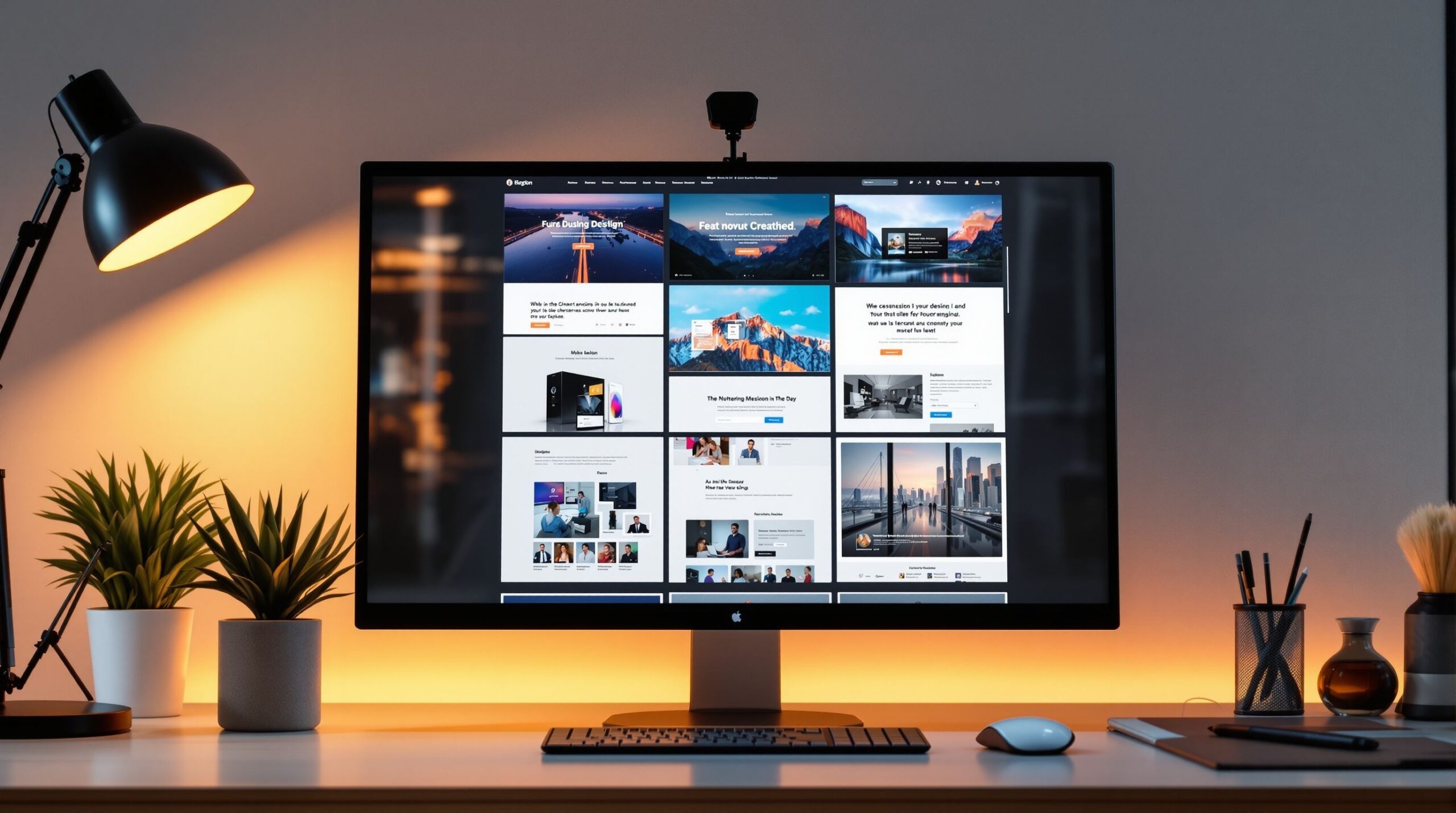

Every year the WordPress ecosystem evolves, but right now we’re experiencing one of the most dramatic shifts in theme design, performance expectations, and creative possibilities. Professionals across web design, digital marketing, creative agencies, e-commerce, and publishing are gravitating toward themes that blend visual power with technical excellence. What makes today’s leading themes so compelling is not only their aesthetics but their structural intelligence—lightweight architecture, block-based flexibility, intuitive customization, and seamless integration with modern page builders and native WordPress tools. In the past, themes often suffered from heavy code, rigid layouts, and unnecessary scripts that slowed down performance. But today’s most popular themes embrace speed, modularity, and future-proof frameworks. They support global styling controls, fluid typography, container-based design, and enhanced responsiveness without relying on outdated systems. Even better, they are more user-friendly than ever, helping professionals build websites faster while maintaining a high design standard. As we explore the most widely used themes right now, you’ll discover why they’re dominating the professional space and how they’re helping shape the next generation of digital experiences.
A: Speed, flexibility, clean code, active support, and reliable updates—plus strong integration with key plugins.
A: Multipurpose works best for agencies and varied projects; niche themes are great when you need a fast, focused setup.
A: Many have a small “theme stack”—two or three favorites they trust, plus extras for special use cases.
A: Layouts may change, but content stays; always test on staging and avoid theme-locked shortcodes when possible.
A: For simple sites, yes. Pros often upgrade to pro versions for advanced headers, hooks, and premium support.
A: Check the update history, reviews, changelog activity, and the size/engagement of the theme’s user community.
A: Not always. Many pros now rely mostly on Gutenberg blocks plus a flexible, block-first theme.
A: Yes—most popular themes are WooCommerce-ready and include dedicated shop and product templates.
A: Regularly, after backing up. Professionals patch quickly for security but test big updates before going live.
A: Clone your current site to staging, activate the new theme, adjust layouts, then push changes live when polished.
The Rise of Ultra-Lightweight Themes Built for Speed
One of the strongest trends in the WordPress world is the rise of ultra-lightweight themes designed specifically for speed. These themes are engineered using streamlined codebases that eliminate bloat and maximize performance across all device types. Professionals love them because they load quickly, respond instantly to user interaction, and rank better in search engines thanks to improved Core Web Vitals scores. Speed-focused themes give designers a blank but powerful starting point. They provide just enough structure to get you moving while offering deep customization through block editors, page builders, or traditional custom code. With minimal preloaded styles, they allow full control over typography, spacing, button styles, color harmonies, and layout flow. This makes them especially attractive for agencies that care about brand-specific design and want to avoid cookie-cutter templates. Today’s professionals understand that every millisecond matters. Whether you’re building a global landing page, a digital storefront, or a high-traffic blog, lightweight themes give you a smooth foundation that translates to better rankings, higher conversions, and a more intuitive user experience. They’ve become the backbone of modern professional builds—and their popularity continues to grow.
The Flexible Multi-Purpose Themes Leading the Industry
Multi-purpose WordPress themes remain among the most popular choices for professionals because of their extraordinary versatility. Developers and designers rely on these themes to handle everything from corporate websites to restaurants, coaching brands, real estate platforms, nonprofits, agencies, and online marketplaces. Their true strength lies in their ability to switch between design identities effortlessly using global style controls, layout kits, and pre-built templates.
Multi-purpose themes often include massive libraries of starter sites engineered to help professionals get up and running quickly. You can import a fully developed design, customize it with your branding, and launch with minimal effort. But what truly sets these themes apart today is their improved performance philosophy. Instead of loading every script and feature at once, modern multi-purpose themes adopt modular build systems that allow you to activate only the components you need. This leaner approach results in faster load times and fewer conflicts.
These themes also offer some of the strongest integrations in the WordPress ecosystem. They work seamlessly with WooCommerce, form builders, LMS plugins, booking systems, memberships, and advanced SEO tools. When a theme can support multiple industries, multiple layouts, and multiple functionalities without breaking performance, it becomes a favorite for professionals across the board—and that’s exactly why these multi-purpose powerhouses continue to dominate the market.
The Creative Designer Themes That Elevate Visual Impact
Today’s professionals aren’t just building websites—they’re curating visual experiences. Creative-focused themes cater specifically to photographers, videographers, agencies, designers, content creators, and brands that thrive on style-driven presentation. These themes emphasize striking hero sections, dynamic transitions, cinematic backgrounds, unique typography styling, and gallery systems built to showcase high-quality visuals.
What makes these professional favorites is their ability to blend artistry with functional performance. They allow designers to build bold, expressive layouts while maintaining intuitive navigation, fast load times, and device responsiveness. Many include built-in animation libraries, split-screen layouts, parallax layering, and immersive full-width sections that create visually memorable pages. At the same time, these themes have matured beyond just beauty. Creative themes now incorporate mobile-first logic, streamlined scripts, optimized image handling, and flexible grid architectures. Designers can experiment with daring creative concepts without sacrificing the stability of the finished web experience. This balance between high-impact visuals and practical user design is why creative professionals continue to gravitate toward these themes for portfolios, landing pages, agency sites, and promotional platforms.
The E-Commerce Themes Powering High-Conversion Online Stores
E-commerce has become one of the most competitive spaces online, and professionals building stores on WordPress need themes that support conversion-focused architecture from the ground up. The most popular e-commerce themes right now are engineered with WooCommerce at the core, offering intuitive product layouts, mobile-optimized catalog pages, fast-loading images, simplified checkout flows, and customizable product templates. These themes give store owners everything they need to sell effectively online: quick-view options, advanced filters, dynamic search, flexible product grids, and integrated promotional tools. Professionals also appreciate their ability to adapt to specific industries—fashion, electronics, home goods, fitness, handmade products, and beyond. The best themes incorporate trust signals, smart spacing, clear pricing placements, and visually compelling product galleries that help convert casual visitors into buyers.
What makes these themes especially popular among professionals is that they handle complexity elegantly. They integrate seamlessly with payment gateways, marketing tools, shipping plugins, inventory management systems, and analytics platforms. They support schema markup for better product SEO and utilize lightweight frameworks so even large stores remain fast and responsive. For designers building online stores with high conversion goals, these themes have become the default choice for good reason.
Magazine and Blog Themes Shaping Modern Publishing
Content remains one of the strongest drivers of online visibility, and professional publishers need themes that support organization, readability, and large-scale content distribution. Magazine-style themes have surged in popularity among bloggers, news organizations, educators, and lifestyle brands because they allow for beautifully structured content presentation.
The most popular themes in this category provide dynamic homepage layouts, featured article sliders, category grids, trending sections, sidebar options, and immersive typographic design. Their goal is not just to display content but to increase engagement through smart layout patterns. These themes take advantage of modern typography systems, fluid spacing, and balanced editorial grids that enhance user readability. Professionals choose these themes because they perform exceptionally well with extensive content libraries. With hundreds or thousands of posts, organization becomes critical, and magazine themes make it easy to guide readers through long-term content journeys. They also take SEO seriously, incorporating schema markup for articles, structured category systems, and clean internal linking logic. These themes help publishers deliver lightning-fast reading experiences across devices—making them favorites across media-driven industries.
Block-Based WordPress Themes Defining the Future
A massive shift is happening in WordPress design: block-based themes are becoming the new professional standard. These themes are built entirely around the native Gutenberg block editor and rely heavily on global styles, full-site editing tools, and intuitive pattern libraries. Professionals love block themes because they simplify design workflows and eliminate the need for bulky page builders in many cases. Block themes provide designers with unprecedented control. Global typography, color palettes, spacing systems, layout containers, and dynamic patterns make customization effortless. Instead of being restricted by rigid templates, professionals can mix and match design blocks to create unique pages without coding. This modular approach sets block themes apart from traditional designs and makes them especially attractive to agencies that need scalable, client-friendly solutions.
Another major advantage is performance. Block themes are naturally lightweight because they use fewer external scripts and rely on WordPress’s native systems. They load faster, work more smoothly on mobile, and align directly with the future direction of the platform. As WordPress continues to invest in full-site editing technologies, block themes will likely dominate the professional landscape even more. For now, they’re already the preferred choice among forward-thinking designers.
The Themes Pros Trust to Build Stunning Sites in 2025
The most popular WordPress themes professionals are using today share a common philosophy: they combine beauty, performance, flexibility, and future-proof design in one powerful package. Lightweight frameworks focus on speed, multi-purpose themes emphasize adaptability, creative themes highlight visual storytelling, e-commerce themes sharpen conversion strategy, magazine themes enhance content organization, and block-based themes signal the future of WordPress design. Professionals know that a theme is far more than a visual template—it’s the foundation of a digital brand. The right theme influences SEO performance, content flow, user engagement, conversion rates, and overall site longevity. It determines how easily you can scale, how seamlessly you can update, and how confidently you can build a cohesive brand presentation. Today’s most-used themes represent the highest standard in modern web design. They give professionals the tools to build websites that load quickly, perform smoothly, adapt across industries, and maintain relevance as design trends evolve. In a digital world where competition is fierce and user expectations are higher than ever, these themes provide the structural and creative backbone needed to stand out. Whether you’re building your next client project, launching a personal venture, or scaling an entire online business, choosing one of these widely trusted themes ensures you’re designing with the same tools top professionals rely on every day. And in the world of digital design, having the right foundation is not just helpful—it’s transformative.